Most Common Auto Electrical Faults and What Causes Them
3/24/20264 min read
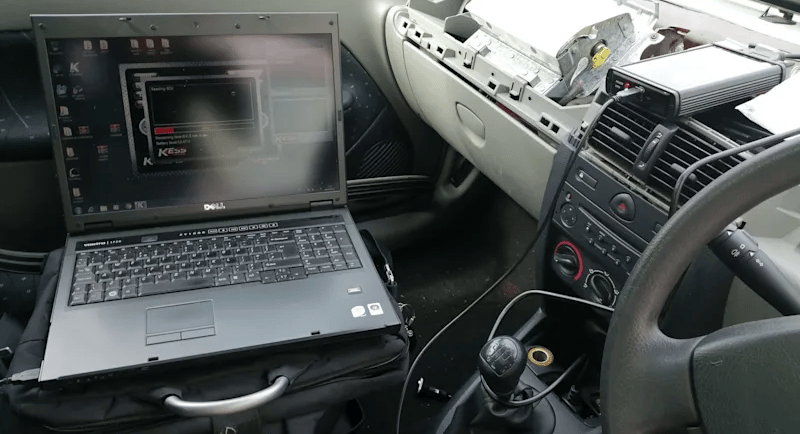
Modern vehicles rely heavily on electrical systems to keep everything running properly. From starting the engine to powering safety features and onboard technology, these systems are involved in almost every part of how your vehicle operates.
When something goes wrong, electrical faults can be frustrating and often difficult to pin down. The symptoms aren’t always obvious, and in many cases, one issue can affect several different systems.
Understanding the most common auto electrical faults and recognising the signs early can help you avoid bigger problems, reduce repair costs, and keep your vehicle reliable.
Why Auto Electrical Faults Can Be Difficult to Identify
Electrical problems don’t always behave in a clear or consistent way. You might notice something working one day and failing the next, or multiple warning lights appearing without an obvious reason.
That’s because modern vehicles use complex networks of control units that all communicate with each other. A fault in one area can easily have a knock-on effect elsewhere.
Without proper testing, it’s easy to assume the wrong cause and replace parts unnecessarily, which often doesn’t fix the issue.
Most Common Auto Electrical Faults
1. Battery Problems
The battery is one of the first things people think of when something goes wrong.. When it starts to fail, it can affect multiple systems across the vehicle.
Common signs:
• The engine is slow to turn over or won’t start
• Lights appear dim or weaker than usual
• Electrical features behave inconsistently
• Warning lights show on the dashboard
What usually causes it:
• Batteries naturally wear out over time
• Lots of short journeys stopping it from fully charging
• Problems with the alternator or charging system
• Another fault causing a drain on the battery
It’s worth noting that the battery isn’t always the actual problem, so proper testing is important before replacing it.
2. Alternator and Charging Issues
Once the engine is running, the alternator takes over and keeps the battery charged while powering the vehicle’s electrical systems. If it’s not working properly, the battery will eventually run flat.
Common signs:
• Battery warning light on the dashboard
• Lights flickering or dimming while driving
• Loss of power to electrical systems
• The vehicle cutting out or struggling to restart
What usually causes it:
• Wear inside the alternator over time
• Faults with the voltage regulator
• Wiring or connection issues
• Problems with the drive belt
These faults are often mistaken for battery issues, which is why accurate diagnosis matters.
3. Wiring and Connection Faults
Wiring problems are very common, especially as vehicles get older. They can also be some of the hardest faults to track down because they’re often intermittent.
Common signs:
• Electrical systems working on and off
• Random warning lights appearing
• Fuses blowing without a clear reason
• Certain features suddenly stopping and starting
What usually causes it:
• Corrosion from moisture
• Heat damage or general wear
• Physical damage to wiring
• Poor previous repairs or modifications
• Loose or worn connections
These issues don’t always show up straight away, which is why a methodical approach is needed to find the exact cause.
4. Faulty Sensors
Modern vehicles rely on sensors to monitor performance and feed information back to the control units. If a sensor isn’t working correctly, it can affect how the vehicle runs.
Common signs:
• Engine management light coming on
• Reduced performance or lack of power
• Increased fuel consumption
• Rough or uneven running
What usually causes it:
• General wear or contamination
• Wiring faults affecting the signal
• Internal failure of the sensor
• Issues elsewhere triggering incorrect readings
Replacing a sensor without confirming the fault can lead to unnecessary costs if the real issue lies elsewhere.
5. Starter Motor Issues
If your vehicle is struggling to start, the starter motor or its electrical supply could be the problem.
Common signs:
• A clicking sound when trying to start
• Slow or weak engine cranking
• No response at all when turning the key
• Intermittent starting problems
What usually causes it:
• Wear inside the starter motor
• Poor electrical connections
• Faulty relay or wiring
• Battery or supply issues affecting performance
Getting this properly diagnosed helps avoid replacing parts that aren’t actually at fault.
6. Control Module Faults (ECU, BCM, ABS)
Control modules manage many of the vehicle’s key systems. When something goes wrong here, it can affect several areas at once.
Common signs:
• Multiple warning lights appearing together
• Certain systems not working properly
• Loss of functions like ABS or central locking
• Communication errors during diagnostics
What usually causes it:
• Internal failure within the module
• Water ingress or environmental damage
• Voltage spikes or electrical faults
• Communication issues between systems
These faults can be more complex and usually require specialist equipment to diagnose properly.
7. Parasitic Battery Drain
A parasitic drain happens when something continues to draw power from the battery after the vehicle has been switched off.
Common signs:
• Battery going flat overnight or after a short time parked
• Needing frequent jump starts
• Replacing the battery doesn’t solve the issue
What usually causes it:
• Modules not shutting down correctly
• Aftermarket equipment wired in incorrectly
• Faulty relays or components
• Hidden wiring faults
Finding the source of a drain like this can take time without the right tools and experience.
Expert Auto Electricans in Nottingham
Electrical issues can quickly turn into bigger problems if they’re left unresolved, affecting your vehicle’s reliability and safety.
At SVS Auto Electrics, we specialise in diagnosing and repairing auto electrical faults. We focus on finding the root cause of the issue and carrying out repairs that last.
Whether you’re dealing with warning lights, starting problems, or intermittent faults, we’re here to help.
Contact SVS Auto Electrics today to book a diagnostic check or get expert advice on your vehicle.
Contact
Address
© 2026. All rights reserved.
Phone
Unit 1a, Venus Estates, Private Road No 2, Colwick, Nottingham, NG4 2JR